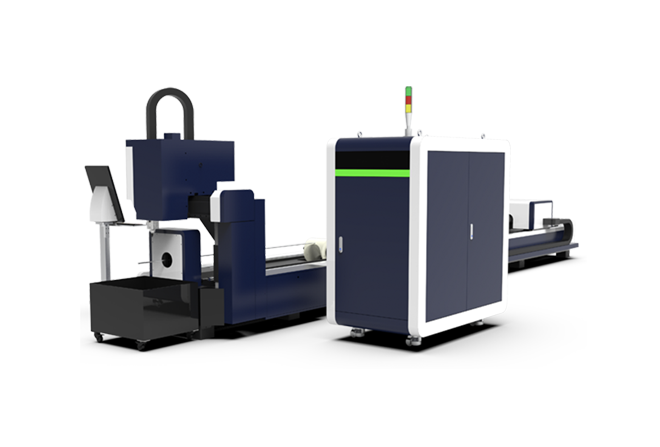
Sheet metal fabrication is a precise trade that requires a symphony of power, control, and accuracy. For professional sheet metal workers, the quality of the final product—whether it’s a simple bracket or a complex enclosure—depends entirely on the sheet metal equipment in their arsenal.
In this guide, we break down the must-have machines, from high-speed pneumatic punches to heavy-duty bending systems.
In any modern workshop, the press is the primary tool for shaping and piercing. As we explored in our comprehensive press comparison, choosing between air and oil power is your first strategic decision.
Pneumatic Presses: These are the "speed demons" of the shop. A pneumatic punch is ideal for high-volume, light-gauge tasks where speed is more critical than raw tonnage.
Hydraulic Presses: When you need a 200 ton hydraulic press machine, you are looking at heavy-duty forming, deep drawing, and working with thick steel plates.
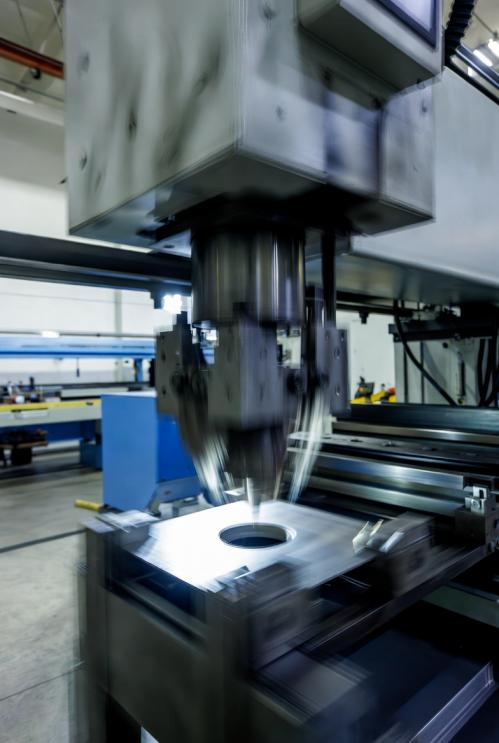
Alt Text: High-speed pneumatic punch machine for industrial sheet metal parts.
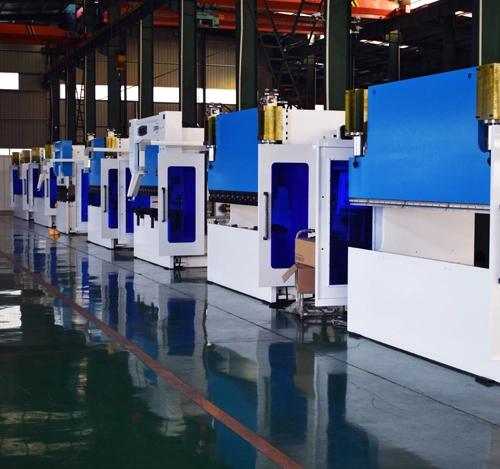
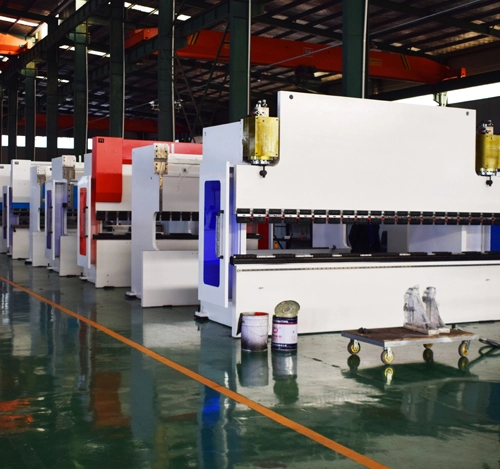
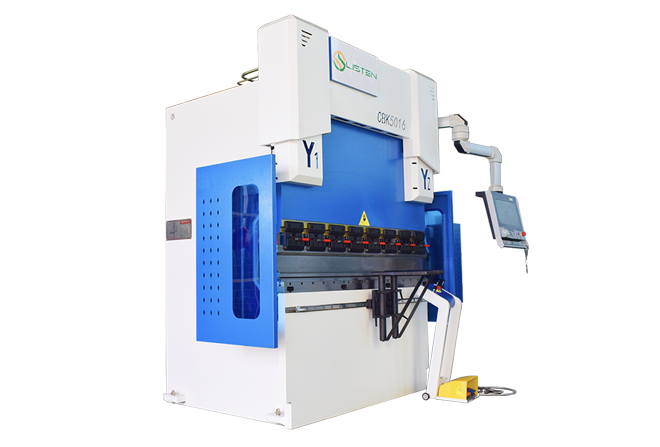
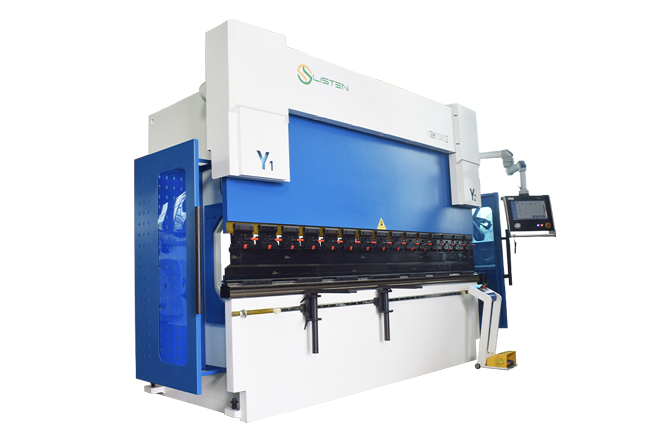
The Press Brake (or sheet metal bending machine) is where flat sheets gain 3D form.
The 4T Rule: Professional workers live by this. To avoid metal fatigue, the internal bend radius must be at least 4 times the material thickness (4T).
Precision Matters: Modern CNC systems allow workers to program complex multi-bend sequences, reducing human error and material waste.
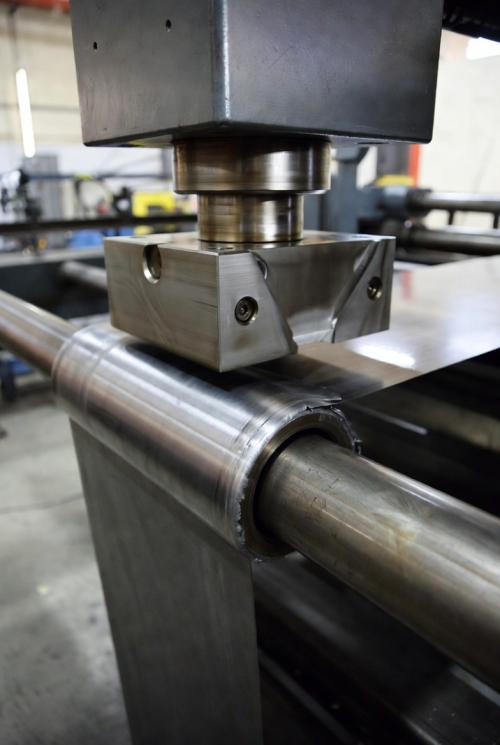
Alt Text: CNC sheet metal bending machine demonstrating the 4T rule in action.
Understanding the cost of pneumatic press machine systems versus heavy hydraulic equipment is crucial for your ROI.
Budget Planning: Small pneumatic presses are the most cost-effective for startups, while a 200 ton hydraulic press machine price reflects its massive industrial capacity.
Cost Comparison: Is sheet metal cheaper than CNC? For large-scale production of thin parts, sheet metal fabrication wins on cost every time.
·
Expert Guide: For a detailed breakdown of equipment pricing and ROI, read our 2026 Sheet Metal Machine Cost & Buyer’s Guide.
Not all metalwork is angular. Rolling machines are used to create cylinders, cones, and curved surfaces.
Professional Tip: Always use a deburring machine after the pneumatic punching process to ensure all edges are safe and smooth for the final assembly.
Machine | Best Use Case | Primary Benefit |
Pneumatic Press | Small/Thin Parts | Extreme Speed |
Hydraulic Press | Heavy Gauges | Immense Power |
Press Brake | Brackets & Boxes | Precision Angles |
Rolling Machine | Tubes & Tanks | Consistent Curves |
The 4T rule states that the minimum internal bend radius of a sheet metal part should be four times the thickness of the material. This prevents the metal from cracking or weakening at the bend line.
CNC typically refers to "Computer Numerical Control" milling or turning (removing material), while sheet metal fabrication involves cutting, bending, and forming flat sheets into shapes. Sheet metal is generally more cost-effective for large, thin-walled structures.
Highly skilled CNC Layout Lead Workers and Specialized Precision Welders in industries like aerospace or medical equipment often command the highest salaries in the sheet metal trade.
It is most commonly called a Press Brake. Smaller, manual versions used for lighter gauges are often called Folders or Leaf Brakes.
At ListenCNC, we provide industry-leading Sheet Metal Working Machines designed for durability and precision.
[Get a Free Technical Consultation] or browse our latest Pneumatic Press inventory.