In the competitive landscape of 2026, upgrading your shop with the right sheet metal equipment is no longer just about buying a machine—it’s about strategic investment. Whether you are eyeing a high-speed pneumatic punch or a 200 ton hydraulic press machine, understanding the total cost of ownership (TCO) is the key to long-term profitability.
This guide breaks down the current market pricing, hidden operational costs, and how to calculate when your new machine will start paying for itself.
The "sticker price" is the first hurdle for any workshop. Generally, pneumatic systems offer a much lower entry point for businesses focusing on light-to-medium-duty tasks.
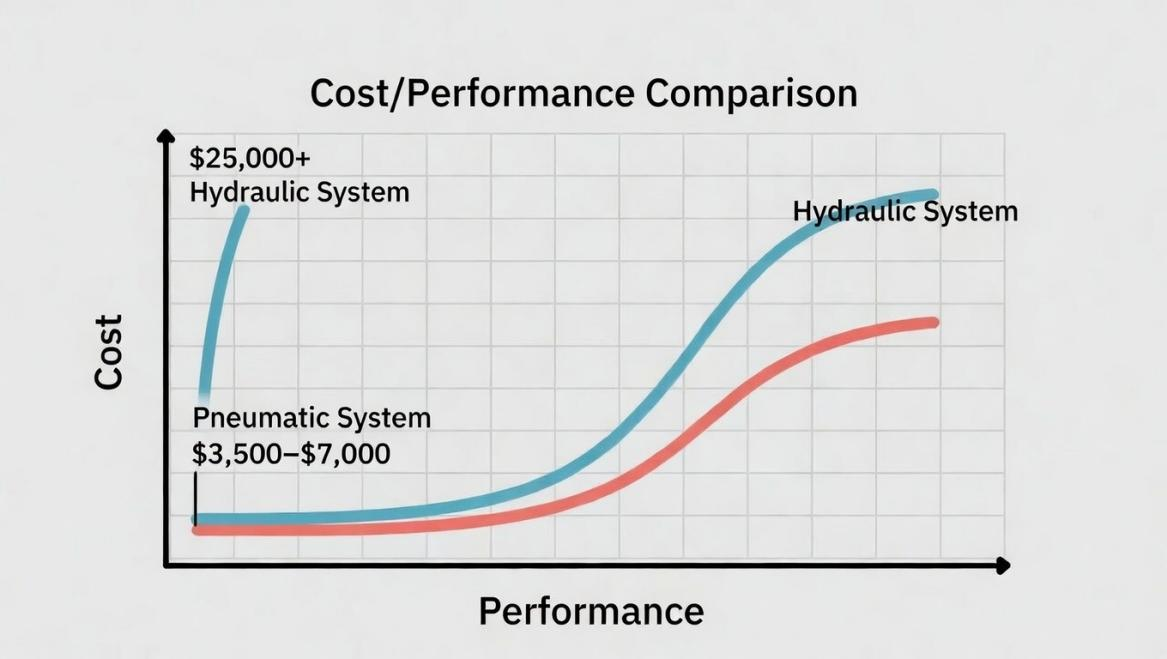
Pneumatic Press Machine Cost: Modern industrial-grade air presses typically start between $3,500 and $7,000. Their simpler design—using shop air instead of complex hydraulic pumps—keeps the initial outlay modest.
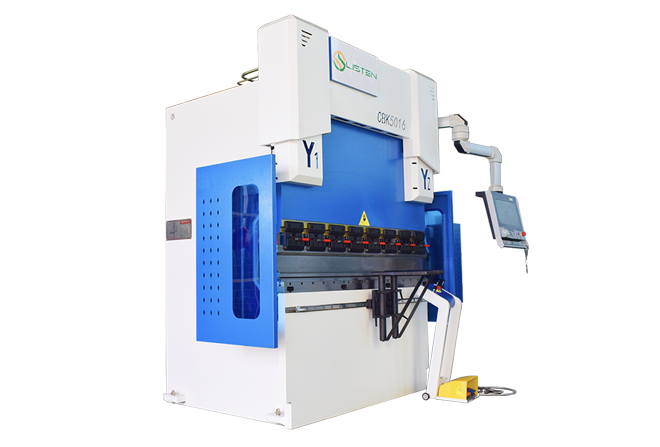
Hydraulic Press Machine Price: Due to the complexity of motors, oil reservoirs, and high-pressure valves, a hydraulic system can cost 3 to 5 times more than a pneumatic equivalent. A high-quality 200 ton hydraulic press machine in 2026 can range from $25,000 to over $100,000 depending on CNC integration and automation features.
A machine that is cheap to buy but expensive to run is a bad investment.
Pneumatic: Uses compressed air. While air is "clean," generating it requires electricity. Pro tip: Ensure your shop's air lines are leak-free, as leaks can waste up to 30% of your energy.
Hydraulic: Typically more energy-efficient for heavy, sustained loads but requires high-voltage power supplies which may involve electrical upgrades for your facility.
Pneumatic (Low Maintenance): About as close to "set it and forget it" as you can get. Basic lubrication is usually all that’s needed.
Hydraulic (High Maintenance): Requires regular oil changes, filter replacements, and monitoring of seals to prevent leaks. Maintenance can account for 15% to 25% of the machine's total cost over its lifetime.
In sheet metal fabrication, ROI isn't just about selling more parts; it's about reducing waste and labor.
The Formula: $ROI (\%) = \frac{(\text{Annual Savings} + \text{Increased Revenue}) - \text{Investment Cost}}{\text{Investment Cost}} \times 100$
Where Savings Come From:
Reduced Scrap: Precision CNC controls minimize errors.
Faster Cycles:A pneumatic punch can operate significantly faster than manual or slow hydraulic systems for light parts.
Labor Efficiency:Modern sheet metal bending machines require less setup time, allowing one operator to do the work of two.
Machine Type | Typical Price Range (USD) | Maintenance Level | Best ROI Scenario |
Small Pneumatic Press | $3,500 - $8,000 | Very Low | High-speed small parts |
Pneumatic Punch (CNC) | $8,000 - $20,000 | Low | Complex light-gauge patterns |
20 Ton Hydraulic Press | $12,000 - $25,000 | Moderate | General assembly & forming |
200 Ton Hydraulic Press | $30,000 - $100,000+ | High | Heavy industrial fabrication |
Yes, for high-volume production of thin-walled parts, sheet metal fabrication is significantly cheaper than CNC milling or turning. It involves less material waste and faster cycle times for large surface area components.
In 2026, a standard 200 ton hydraulic press typically starts at $25,000 for basic models, while fully automated CNC versions with safety light curtains can exceed $80,000.
A pneumatic punch saves costs by using simple shop air to drive high-speed cycles. It has fewer moving parts to break, meaning less downtime and lower repair bills compared to mechanical or hydraulic alternatives.
The core set usually includes a Shearing Machine (for cutting), a Press Brake (for bending), and a Pneumatic or Hydraulic Press (for punching and forming). Adding a Rolling Machine is essential if you produce cylindrical parts.
Navigating the cost of pneumatic press machine options shouldn't be a guessing game. At ListenCNC, we provide transparent pricing and expert ROI analysis to ensure you get the most "bang for your buck."
[Request a 2026 Price List] | [Speak to an Equipment Expert] | Explore our Product Gallery