A clean sheared edge depends on more than machine capacity. One of the most important setup variables is shear blade clearance — the gap between the moving upper blade and the fixed lower blade as the material is cut.
If the blade gap is too small, cutting force and blade stress can increase. If it is too large, the sheet may develop excessive burrs, rollover or deformation. This guide explains how to calculate hydraulic shear blade clearance, how material and thickness affect the setting, and how to troubleshoot common cutting-edge problems.
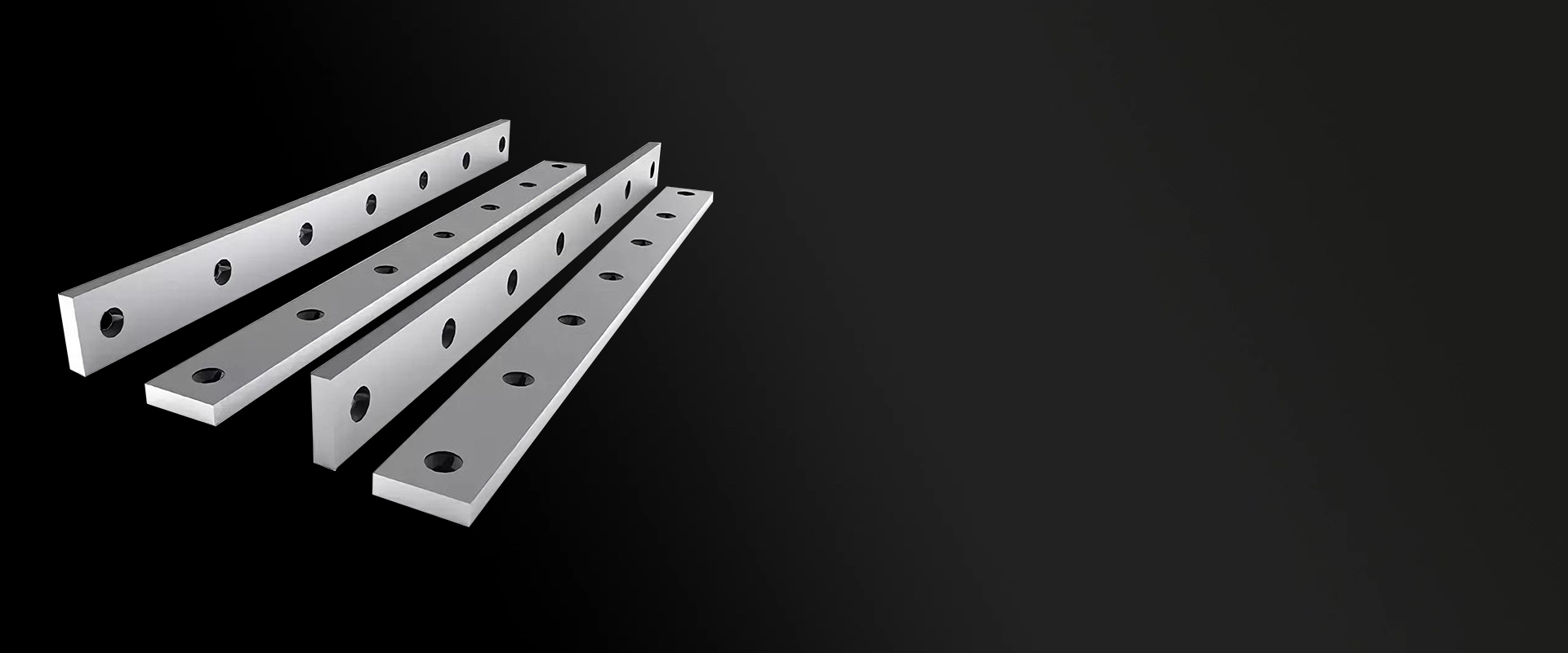
Blade condition, material properties and the gap between the upper and lower blades all influence shearing quality.
Hydraulic shear blade clearance is commonly set as a percentage of the sheet thickness.
Many sheet-metal applications fall roughly within a 5%–10% starting range, but the correct setting depends on material strength, thickness, blade geometry, machine design and the manufacturer's specifications. A calculated value should therefore be treated as a starting point rather than a universal machine setting.
Shear blade clearance is the horizontal gap between the cutting edges of the upper and lower shear blades. During the cutting stroke, the upper blade moves past the lower blade and the material first deforms, then fractures along the cutting line.
Correct clearance helps the fracture zones from the upper and lower sides meet in a controlled manner. This supports a cleaner edge while limiting unnecessary cutting force, blade stress and workpiece distortion.
Blade clearance describes the gap between the cutting edges. Rake angle describes the angle at which the blade progresses through the sheet. Both can influence cutting force and part quality, but they are different machine settings.
Incorrect clearance can increase rollover, tearing, secondary shear marks or burr formation along the cut edge.
Excessive cutting load or an unsuitable gap can accelerate wear, chipping or damage to the cutting edges.
An unsuitable blade gap can contribute to twisting, bowing or deformation near the cutting edge, especially on difficult materials and narrow strips.
A gap that is too small can increase cutting resistance and place unnecessary load on the blade and machine structure.
A practical way to estimate an initial blade gap is to multiply the actual sheet thickness by a clearance percentage appropriate for the material and cutting condition.
| Variable | Meaning | Example |
|---|---|---|
| Sheet Thickness | Actual measured material thickness | 5 mm |
| Clearance Percentage | Starting percentage selected according to material and cutting condition | 6% |
| Calculated Gap | Initial blade-clearance reference | 0.30 mm |
If a 6% starting clearance is selected:
The 0.30 mm value is a starting reference. The final machine setting should be verified against the machine manual and a test cut.
The percentages below are general industrial starting references, not LISTEN machine-specific settings. Actual clearance can vary with tensile strength, blade geometry, blade condition, cutting angle and machine design.
| Material | Thickness Range | General Starting Clearance | Setup Note |
|---|---|---|---|
| Mild / Carbon Steel | Up to 3 mm | About 5%–6% | Verify edge quality with a test cut |
| Mild / Carbon Steel | 3–10 mm | About 6%–8% | Material grade and tensile strength matter |
| Stainless Steel | Up to 3 mm | About 6%–8% | Do not assume the mild-steel setting is suitable |
| Stainless Steel | 3–10 mm | About 8%–10% | Check burr formation and blade loading |
| Aluminum | Up to 3 mm | About 4%–5% | Alloy and temper can change the result |
| Aluminum | 3–10 mm | About 5%–6% | Confirm actual alloy before production |
| High-Strength Steel | Application dependent | Often around 8%–10% as an initial reference | Manufacturer-specific data is strongly recommended |
Sheet thickness is only one part of the calculation. Tensile strength, ductility and alloy condition affect how the material deforms and fractures during shearing.
Commonly used as the reference material for general-purpose shear setup, but different carbon-steel grades can still require adjustment.
Higher-strength stainless grades can require a different clearance from mild steel of the same nominal thickness.
Aluminum is not a single material condition. Alloy and temper should be considered when evaluating edge quality and blade-gap settings.
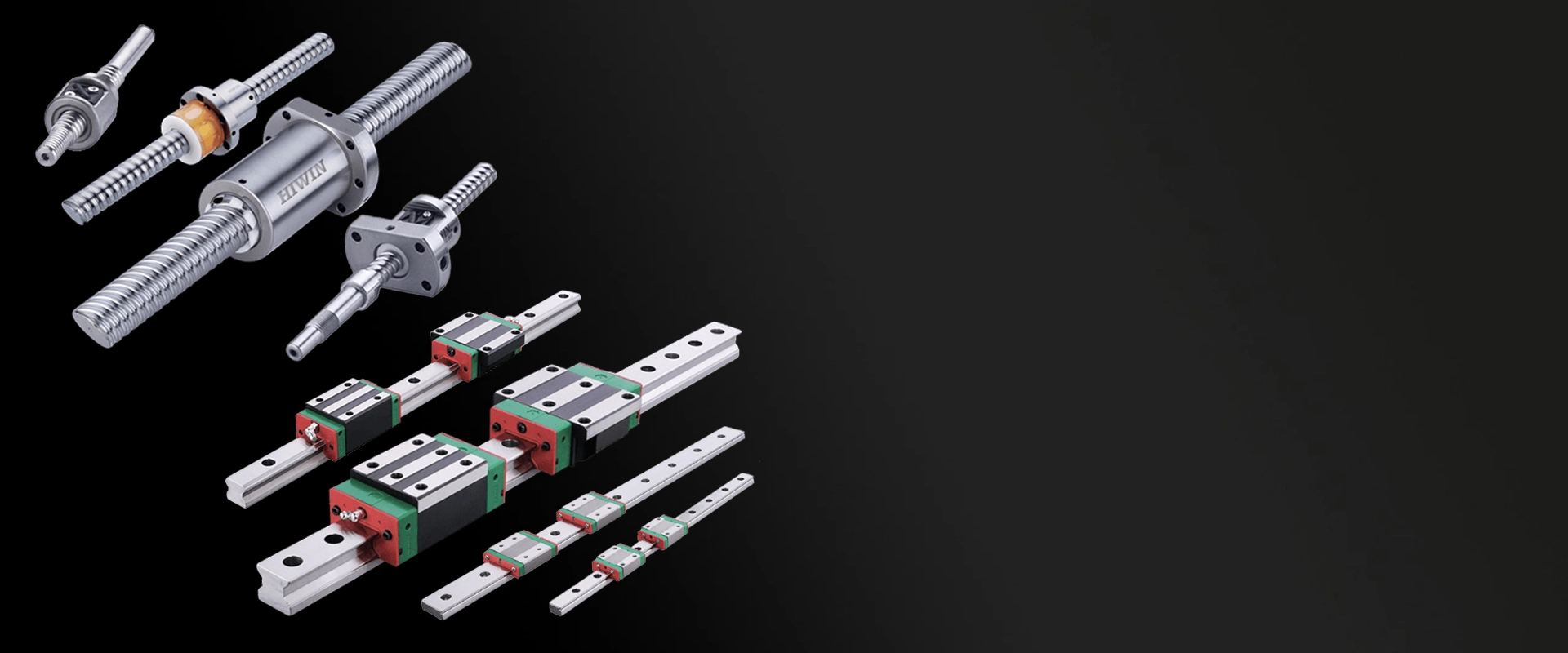
Accurate positioning and cutting setup work together with correct blade clearance to support repeatable sheet metal cutting.
| Condition | Possible Cutting Result | Possible Machine / Blade Effect |
|---|---|---|
| Clearance Too Small | Wide burnished zone, secondary shear marks or rough edge | Higher cutting force, heat and blade stress |
| Clearance Too Large | Increased rollover, tearing, burr or edge distortion | Uneven loading and reduced cutting quality |
| Clearance Uneven Across Blade | Cutting quality changes from one side of the sheet to the other | Possible alignment, blade condition or adjustment problem |
The cut edge itself can provide useful clues. However, blade clearance is not the only possible cause of poor cutting quality, so blade wear, alignment, material condition and rake angle should also be checked.
The exact blade-gap adjustment mechanism differs between shear models, so the machine-specific manual should always take priority. A typical setup workflow follows the sequence below.
Blade-clearance inspection takes place close to the cutting point, which is a hazardous machine area. Follow the manufacturer's shutdown, energy-isolation and maintenance procedures before accessing the blades.
OSHA specifically identifies shears and guillotine cutters as machines requiring point-of-operation guarding. See OSHA 29 CFR 1910.212 machine guarding requirements for general safety guidance.
Both machine types require suitable blade clearance, but the adjustment mechanism and cutting geometry can differ.
| Factor | Swing Beam Shear | Guillotine Shear |
|---|---|---|
| Blade Motion | Pivoting arc motion | Guided near-linear movement |
| Gap Adjustment | Depends on machine design; manual or mechanical systems are common | Manual, hydraulic or CNC-assisted systems may be available depending on configuration |
| Selection Priority | Practical repetitive sheet cutting | Greater adjustment flexibility for changing production requirements |
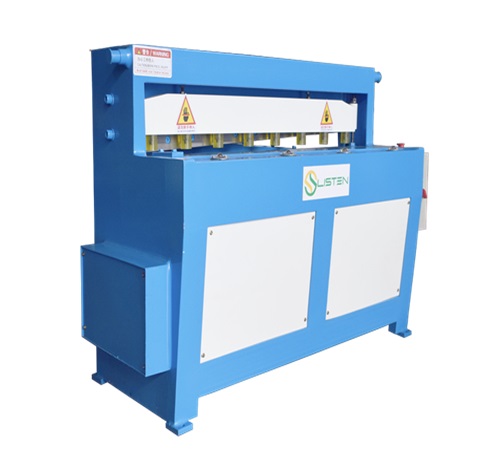
For machine-specific information, see the LISTEN hydraulic swing beam shearing machine and hydraulic guillotine shearing machine. If you are deciding between the two machine structures rather than adjusting blade clearance, read our Swing Beam vs Guillotine Shearing Machine comparison.

Depending on the machine configuration, CNC controls can simplify repetitive shearing-machine setup and positioning.
On a manually adjusted machine, the operator sets the blade gap using the machine's mechanical adjustment system and verifies the setting according to the manufacturer's procedure.
Higher-level hydraulic or CNC shear configurations may allow blade-gap settings to be adjusted more conveniently when operators frequently switch between material thicknesses. The actual functions depend on the controller and machine configuration.
You can review available LISTEN CNC control systems when evaluating automation requirements for sheet metal cutting equipment.
There is no single adjustment interval that applies to every workshop. Blade clearance should be reviewed whenever the cutting condition changes or the edge quality suggests that the setup may no longer be correct.
When changing to a significantly different sheet thickness
When changing material type or strength grade
After blade replacement, rotation or regrinding
When burr height or edge condition changes unexpectedly
When cutting becomes unusually noisy or requires abnormal force
After maintenance involving blade alignment or the cutting mechanism
Adjusting blade clearance cannot compensate indefinitely for worn or damaged cutting edges. If the blade has become rounded, chipped or unevenly worn, repeatedly changing the gap may hide the symptom without correcting the underlying problem.
When cut quality deteriorates, evaluate blade sharpness, edge condition, blade alignment and clearance together. Regrinding, rotating or replacing the blades should follow the blade manufacturer's and machine manufacturer's recommendations.
| Problem | Possible Cause | What to Check |
|---|---|---|
| Large Burr | Clearance too large or blade worn | Gap, blade sharpness and material thickness |
| Rough / Double Shear Edge | Clearance may be too small | Gap and blade condition |
| Burr Changes Across Width | Uneven clearance or alignment | Blade gap along cutting length |
| Blade Chipping | Excessive load, insufficient gap or damaged blade | Clearance, blade condition and material |
| Sheet Twist | Cutting setup, rake angle, narrow strip or clearance | Complete cutting setup rather than gap alone |
| Abnormally High Cutting Force | Gap too small, blade dull or material stronger than expected | Material specification, blades and clearance |
Workshops that repeatedly cut the same material and thickness may value simple, repeatable setup. Operations that frequently switch between different grades and thicknesses may place greater value on convenient blade-gap, rake-angle and backgauge adjustment.
If you are still deciding which cutting structure is appropriate, start with the LISTEN shearing machine selection page , which compares small electric, swing beam and guillotine cutting solutions according to production requirements.
Shear blade clearance is the gap between the cutting edges of the upper and lower blades. It influences how the sheet deforms and fractures during cutting.
Many common sheet-metal cutting applications use starting values within roughly 5%–10% of sheet thickness, but the correct percentage depends on material, strength, thickness, blade geometry and machine design.
A simple starting calculation is sheet thickness multiplied by the selected clearance percentage. For example, 5 mm × 6% gives an initial reference gap of 0.30 mm.
Not necessarily. Material tensile strength and ductility affect the shearing process, so stainless steel may require a different setting from mild steel of the same nominal thickness.
Too little clearance can increase cutting force and blade stress and may produce secondary shear marks or an excessively large burnished area on the cut edge.
Excessive clearance can increase rollover, tearing and burr formation and may contribute to poor edge quality or sheet distortion.
Some CNC guillotine and hydraulic shear configurations provide powered or CNC-assisted blade-gap adjustment. The available functions depend on the machine and controller configuration.
No. Excessive burr can also result from dull blades, damaged cutting edges, alignment issues or material variation. Blade condition and clearance should be checked together.
Check the setting whenever material type or thickness changes significantly, after blade servicing, or when cut-edge quality or machine behavior changes unexpectedly.
No. Online charts are useful for understanding the principle and estimating a starting value. When machine-specific clearance data is available, the manufacturer's recommendation should take priority.
Send LISTEN your material grade, maximum thickness, sheet length, typical cutting size and production volume. Our team can help evaluate the appropriate shearing-machine type and configuration for your application.
VIEW SHEARING MACHINES → SEND YOUR CUTTING REQUIREMENTS